Fifteen Clips and a Manifesto
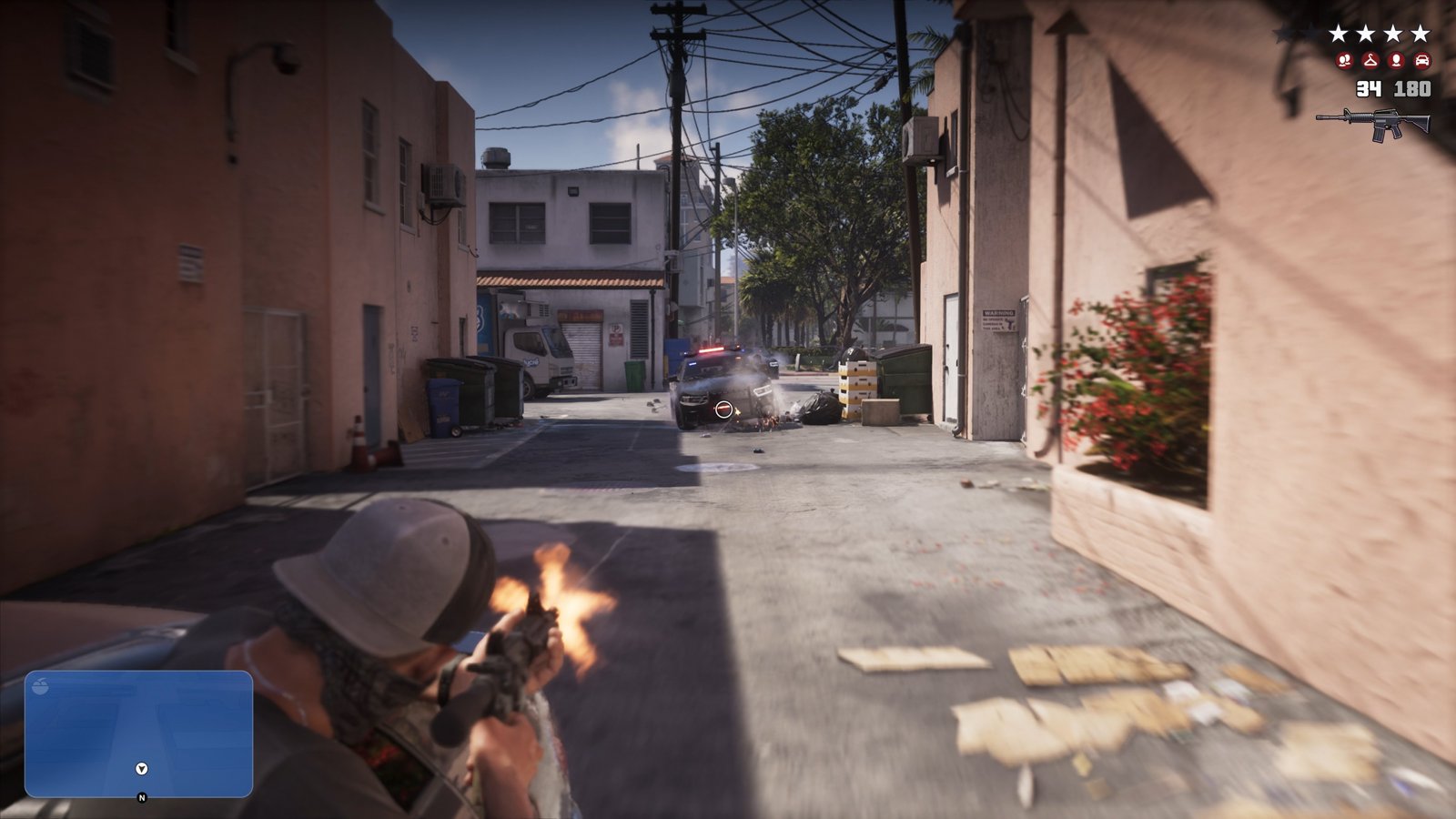
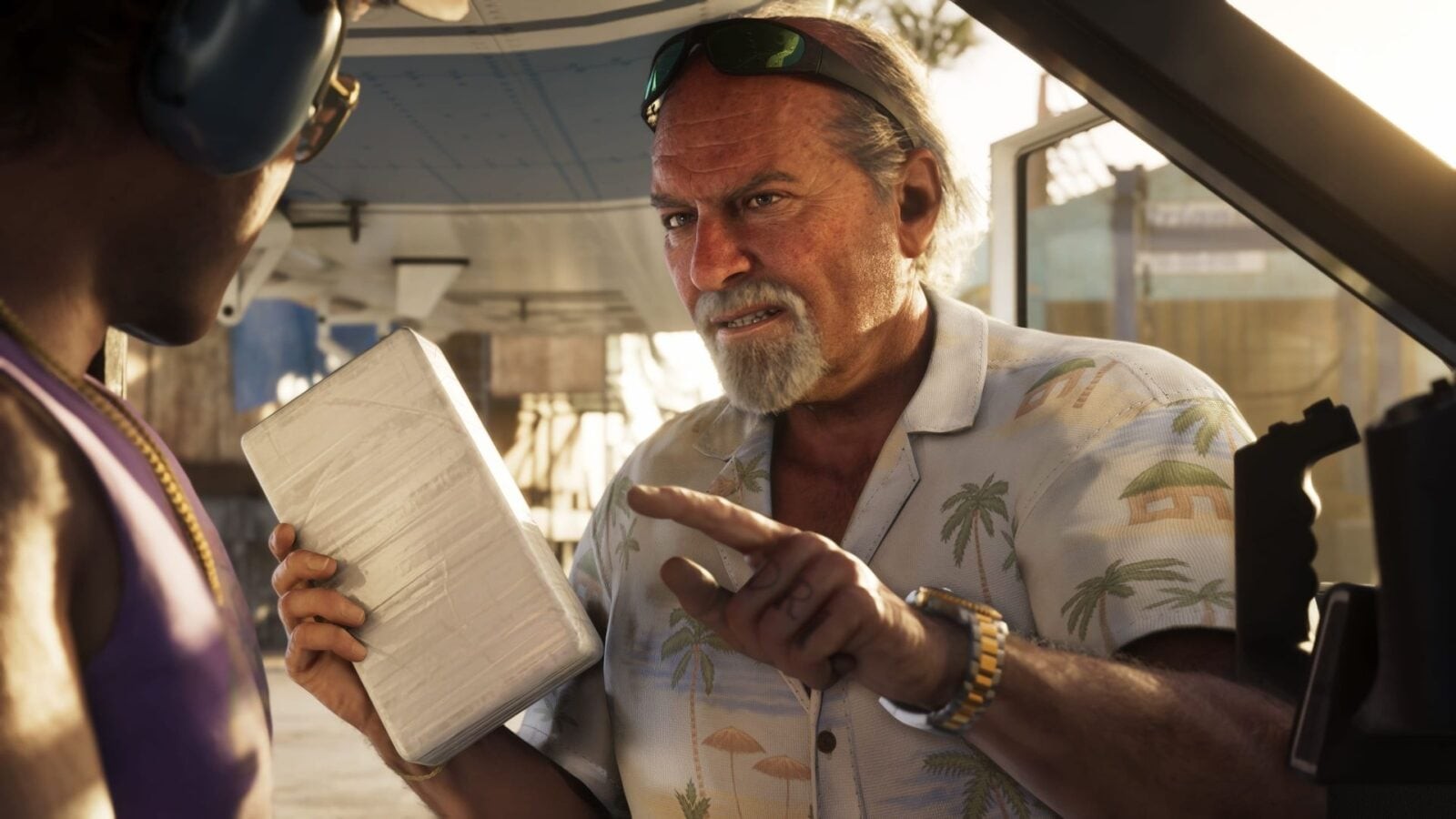
Starting on August 17, 2026, an account calling itself CyberLeek began posting Grand Theft Auto VI gameplay footage online. Over the following days, fifteen separate clips surfaced, showing generic environments and gameplay systems from the game's fictional state of Leonida, home to a reimagined Vice City. CyberLeek claimed to be sitting on an entire playable build of the game, and posted the clips alongside a manifesto calling on game publishers to abandon practices like digital pre-orders and locking finished content behind paywalls.

Rockstar stayed silent for a full week while the clips spread across social media. That silence ended on August 26, one day before the studio's planned Netflix debut of an official extended look at the game. In a statement posted to the company's Instagram, Rockstar finally addressed what had happened directly: "It would be an understatement to say that having videos of Grand Theft Auto VI gameplay leak this way has been heartbreaking for our team." The studio apologized for how long it had taken to share official details, confirmed the game remained on track for its November 19, 2026 release, and asked fans to hold out a little longer.
That would have been the end of a fairly ordinary story about a pre-release leak, the kind that has happened to plenty of anticipated games before. What happened next is the part worth paying attention to, and it has very little to do with video games.
The Subpoena That Reached Far Beyond CyberLeek
On August 20, before Rockstar had even issued its public statement, Take-Two Interactive filed DMCA subpoenas in a federal court in the Southern District of New York. The target was not CyberLeek directly, since nobody knew who that was yet. The target was Microsoft and Discord, and what Take-Two wanted from them was extensive.
The subpoenas demanded MachineGuid and Microsoft Account device identifiers, registration and last-login IP addresses, phone numbers, linked Google and Xbox account connections, and OneDrive contents, for every single account that had posted a message in three named Discord servers since June 1, 2026. A judge granted the request.

Read that scope again. This was not a request for CyberLeek's account information alone. It covered everyone who had ever typed a message in those three servers over roughly a three month window, the overwhelming majority of whom almost certainly had nothing to do with the leak. They joined a Discord server about a video game they were excited for. That is the entire extent of what most of them did. Now their device identifiers, their IP history, their phone numbers, and in some cases the contents of their personal cloud storage are sitting inside a federal court filing because of it.
This is the part of the story that matters well beyond anyone who has ever played a Rockstar game. It is a clean, real-world illustration of something security professionals talk about constantly and most people never quite internalize: your digital footprint is not made up only of things you did wrong. It is made up of everywhere you showed up at all, and you rarely get to choose what that footprint gets used for later.
This Was Not Rockstar's Only Bad Year
The CyberLeek leak did not happen in isolation. Four months earlier, in April 2026, Rockstar confirmed an entirely separate security incident, and the mechanics of that one are worth understanding on their own terms.
The extortion group ShinyHunters, the same group behind dozens of breaches across 2026, did not attack Rockstar directly. It went after Anodot, a third-party analytics platform Rockstar used to monitor cloud spending, and stole authentication tokens that granted access to Rockstar's Snowflake data warehouse. Security firm Mitiga summed up the technique in a phrase that has become something of a motto for 2026's breach landscape: "Attackers do not break in. They log in." With Anodot's stolen tokens in hand, ShinyHunters simply queried and exported data the way a legitimate vendor integration would, which is exactly why nothing about it tripped an intrusion alarm.
By April 11, ShinyHunters had posted a listing naming Rockstar on its extortion site, priced the stolen data at $200,000, and set an April 14 deadline. Rockstar declined to pay. The group published roughly 7.5 gigabytes of data across 25 files on April 14 and 15: revenue and purchase metrics for GTA Online and Red Dead Online, player behavior tracking data, customer support ticket metrics, and fraud detection model inputs. Notably absent from what leaked was anything resembling player login credentials, email addresses, or payment card information, and Rockstar maintained the incident had no material impact on players or operations.
Two Incidents, One Underlying Lesson
Set the CyberLeek leak and the ShinyHunters breach side by side and a pattern emerges that has nothing to do with the size or fame of the company involved. In both cases, the actual point of failure was somewhere Rockstar did not fully control. A third-party analytics vendor held credentials with more reach than anyone had probably reviewed in a while. A community platform hosting fan conversation became, months later, the source of a legal dragnet that swept up thousands of people who never leaked anything.
For a business, the Anodot piece is the more directly actionable one. Every vendor integration your company grants access to is a door you are trusting someone else to lock properly, and "we trust our vendor" is not a security control. It is a hope. Reviewing what data and systems each third-party integration can actually reach, rotating credentials on a real schedule instead of never, and treating vendor access with the same scrutiny you would apply to an employee's own account is the difference between a contained incident and a Snowflake warehouse quietly being drained for a week before anyone notices the connectors went quiet.
For individuals, the Discord subpoena piece is the harder one to plan around, and arguably the more important one. Most people assume the risk of joining an online community is limited to whatever they personally post. The CyberLeek case shows that assumption is not reliable. A platform you use can become entangled in something you had no part in, and when a company with enough legal resources decides to chase down a leaker, the net it casts can be wide enough to catch device identifiers, IP history, and cloud storage contents belonging to people whose only offense was showing up.
What Actually Helps
None of this means you should never join a Discord server or use cloud services tied to your accounts. It means treating your overall digital footprint as something worth understanding, not something to think about only after it already shows up somewhere unexpected. Know what personal information is genuinely tied to accounts you use regularly, understand what a platform actually logs and for how long, and keep a real inventory of where your information already lives, so that if something like this happens, you are not finding out what was exposed for the first time from a court filing.
For a business, the version of this same discipline is a vendor risk review: knowing exactly what every third-party tool connected to your systems can see and do, and making sure nobody is holding a token that was issued once, forgotten about, and never looked at again.
At AetherGuard Technologies, this is the exact gap our personal security audits and business security assessments are built to close, mapping out where your information and your access already sit exposed, well before a headline forces the question. Whether the concern is a vendor integration your business granted years ago or a digital footprint you have never had reason to think about, finding out now costs a lot less than finding out from a subpoena.