When "We Don't Know Yet" Becomes the Only Honest Answer
On August 25, 2026, Boston Scientific, one of the largest medical device manufacturers in the world, identified a cybersecurity incident affecting its internal information technology systems. What followed was not a dramatic ransom note or a defaced website. It was something quieter and, in its own way, more revealing about what a modern cyberattack actually costs a large industrial company: a network outage that would not fully resolve for weeks, a manufacturing operation that could not reliably ship product, and a public company forced to tell investors, twice, that it genuinely did not know when things would return to normal.
The Timeline, As the Company Has Disclosed It
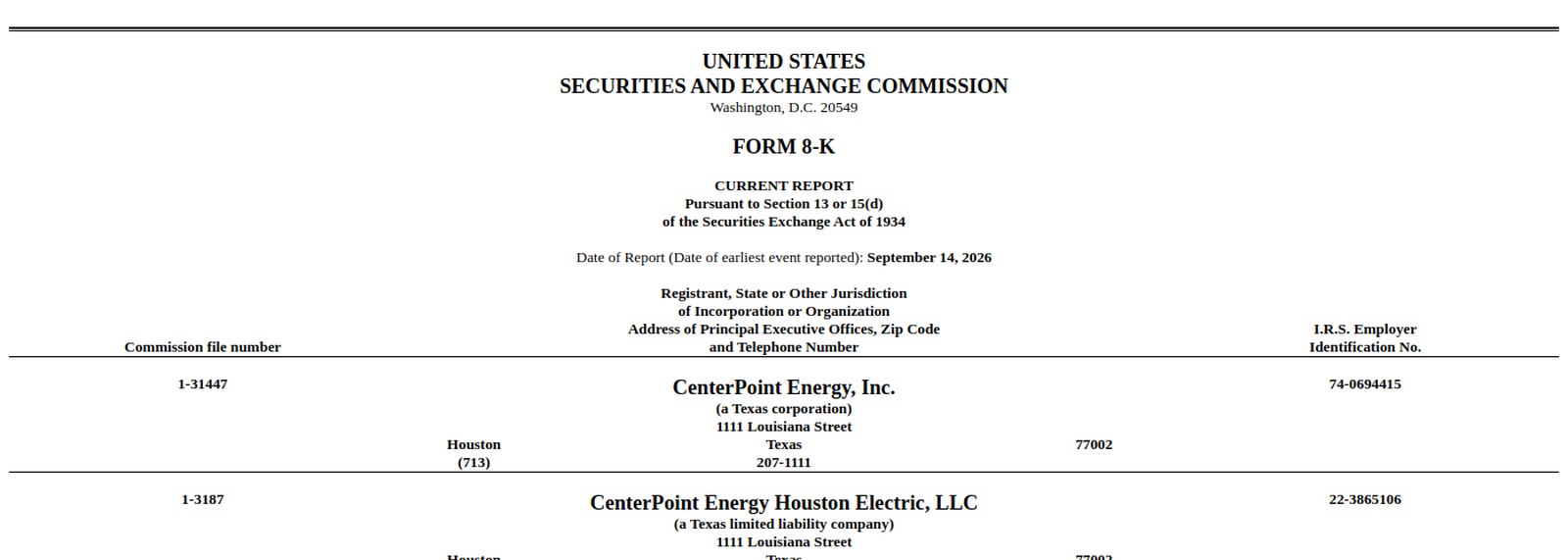
Boston Scientific notified the Securities and Exchange Commission the day after discovery, filing an 8-K on August 26 under Item 8.01, the SEC's category for events a company chooses to disclose even when not strictly required to. The company activated its incident response plan and brought in CrowdStrike along with other third-party cybersecurity specialists to investigate, contain, and begin recovery.
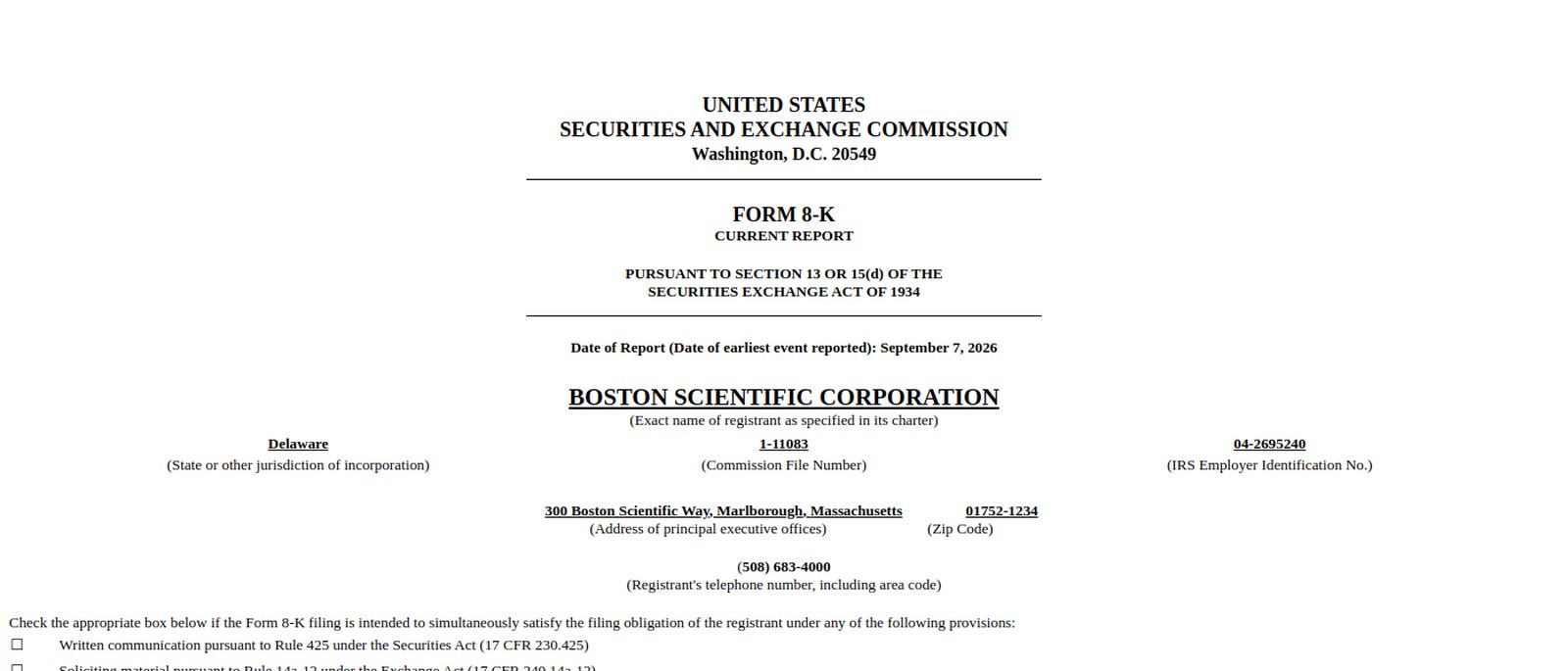
By August 30, five days after discovery, Boston Scientific reported finding no indication of further unauthorized activity in its environment since the 25th, a meaningful containment milestone. Key systems and processes were reported restored around that time as well. But "key systems restored" is not the same as "back to normal," and the company was careful not to conflate the two. A second, more detailed 8-K followed on September 7, this one filed under Item 1.05, the specific SEC category reserved for material cybersecurity incidents, laying out the operational and financial impact in starker terms.
What Actually Broke
The outage disrupted access to certain operating systems and business applications supporting Boston Scientific's global operations, which in practical terms meant the company's ability to manufacture products and to process and ship customer orders was directly impaired. For a medical device manufacturer, that is not an abstract inconvenience. Hospitals, clinics, and surgical teams around the world depend on a predictable, uninterrupted supply chain for devices that patients are, quite literally, waiting on.
The company has been direct about the financial consequence. Boston Scientific stated it is unlikely to meet its previously issued net sales growth and adjusted earnings per share guidance ranges for the third quarter and full year of 2026, and as of its most recent filing, could not provide a timeline for full operational recovery. That is an unusually candid admission for a large public company to put into an SEC filing, and it reflects just how disruptive a network outage of this scope becomes once it touches manufacturing and order fulfillment rather than staying contained to office productivity systems.
What We Still Do Not Know, and Why That Is Worth Noting
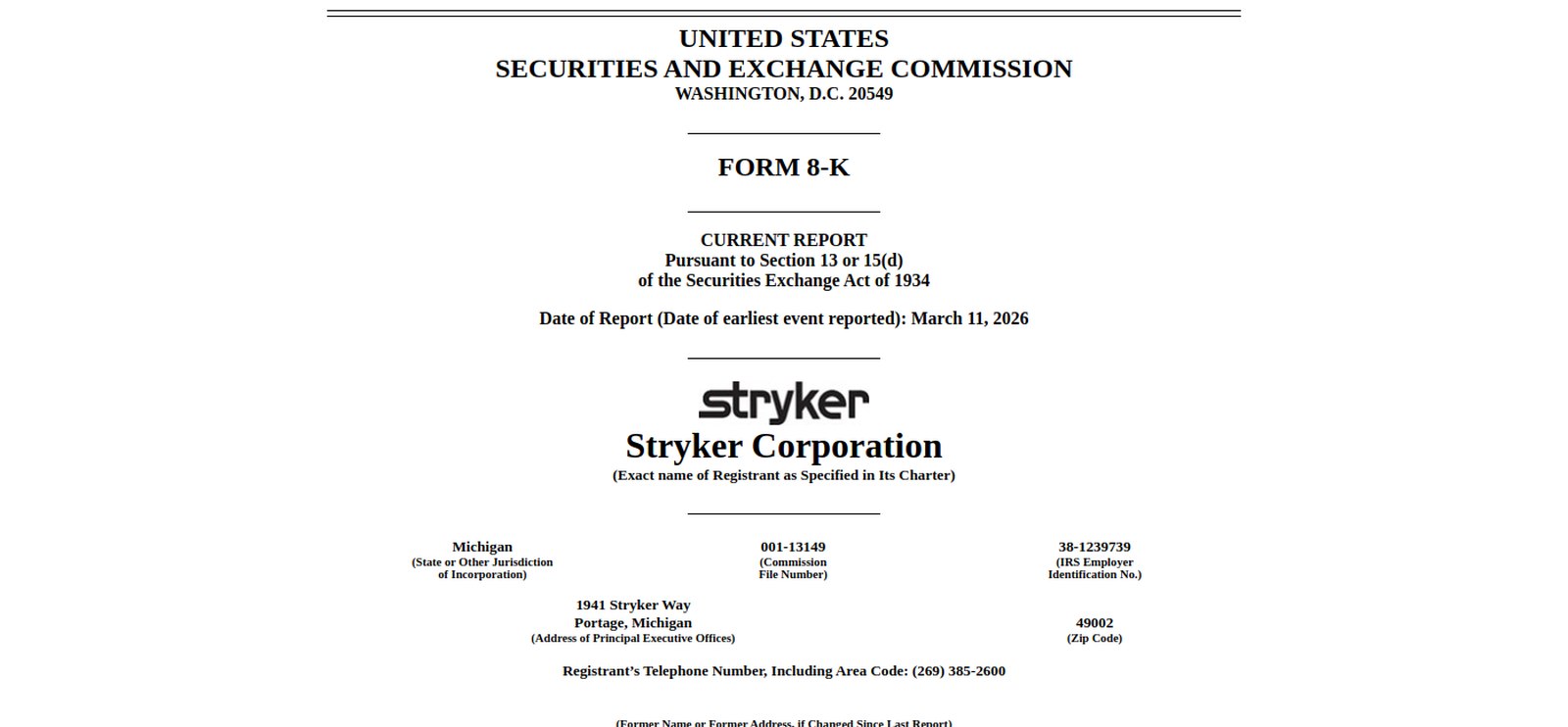
Unlike the Stryker incident earlier in the year, no group has publicly claimed responsibility for the Boston Scientific attack in the information available so far, and the company's public filings have not attributed the incident to a specific threat actor or named whether ransomware was involved. That absence of a name attached to the attack is itself worth sitting with for a moment. Not every serious cyberattack comes with a leak site, a ransom note, or a Telegram statement. Some companies simply go quiet, contain what they can, and work the problem without ever generating the kind of public claim that makes for an easy headline.
For readers and customers, the practical impact does not actually depend on which specific group was responsible or what their motive was. A prolonged network outage that stalls manufacturing and shipping for a company whose products keep hospitals running is serious regardless of attribution, and the operational and financial consequences disclosed in Boston Scientific's own filings speak for themselves.
The Real Lesson Is About Recovery, Not Just Prevention
Most cybersecurity coverage, and a fair amount of this blog included, focuses heavily on prevention: patch this, configure that, train your employees not to click the wrong link. Prevention matters enormously, but the Boston Scientific incident is a useful reminder that even organizations with mature security programs, real resources, and the ability to bring in a firm like CrowdStrike within hours can still end up with weeks of disruption and a material hit to a full fiscal year's financial guidance. Prevention reduces the odds of an incident. It does not reduce them to zero, and no security program honestly claims otherwise.
What actually determines how bad an incident becomes, once it happens anyway, is how well an organization can operate through it. Can manufacturing systems fail over to a clean, isolated environment without dragging the rest of the company down with them? Can order processing continue in some reduced form while the primary systems are being rebuilt? Is there a tested plan for exactly this scenario, or is the response effectively being improvised in real time by very smart people working extremely hard under enormous pressure? The difference between those two situations is usually the difference between days of disruption and weeks of it.
What Manufacturers and Large Enterprises Should Take From This
Separate operational technology and manufacturing systems from general corporate IT as thoroughly as your business allows. When a network outage hits office productivity tools, it is a headache. When it reaches the systems that run the factory floor and the order pipeline, it becomes a quarter-defining event, and the incidents that spread fastest tend to be the ones where that separation was thinner than anyone realized until it mattered.
Build and actually rehearse a business continuity plan specifically for the scenario where core IT systems are unavailable for an extended period, not just a day or two. Tabletop exercises that assume recovery within 24 to 48 hours are not testing for the incidents that actually end up in SEC filings. Plan for the version where full recovery takes weeks, because that is the version happening in the real world right now.
Engage incident response partners before you need them, not during. Boston Scientific was able to bring in CrowdStrike within a day of discovery, which is exactly the kind of fast, decisive response that limits how much a bad situation gets worse. That speed usually comes from an existing relationship and a pre-negotiated retainer, not from a cold call made in the middle of a crisis.
Be honest with stakeholders, including investors, customers, and your own employees, about what you know and do not know as an incident unfolds. Boston Scientific's filings did not promise a recovery date it could not back up, and that kind of calibrated honesty, uncomfortable as it is in the moment, tends to hold up far better over time than optimistic guesses that later prove wrong.
At AetherGuard Technologies, we help organizations build the operational resilience side of security, not just the prevention side, so that when an incident does happen, and eventually one always does, the difference between a bad week and a bad quarter comes down to a plan that was already tested, not one that had to be invented on the spot.