A Phone Call That Looked Real
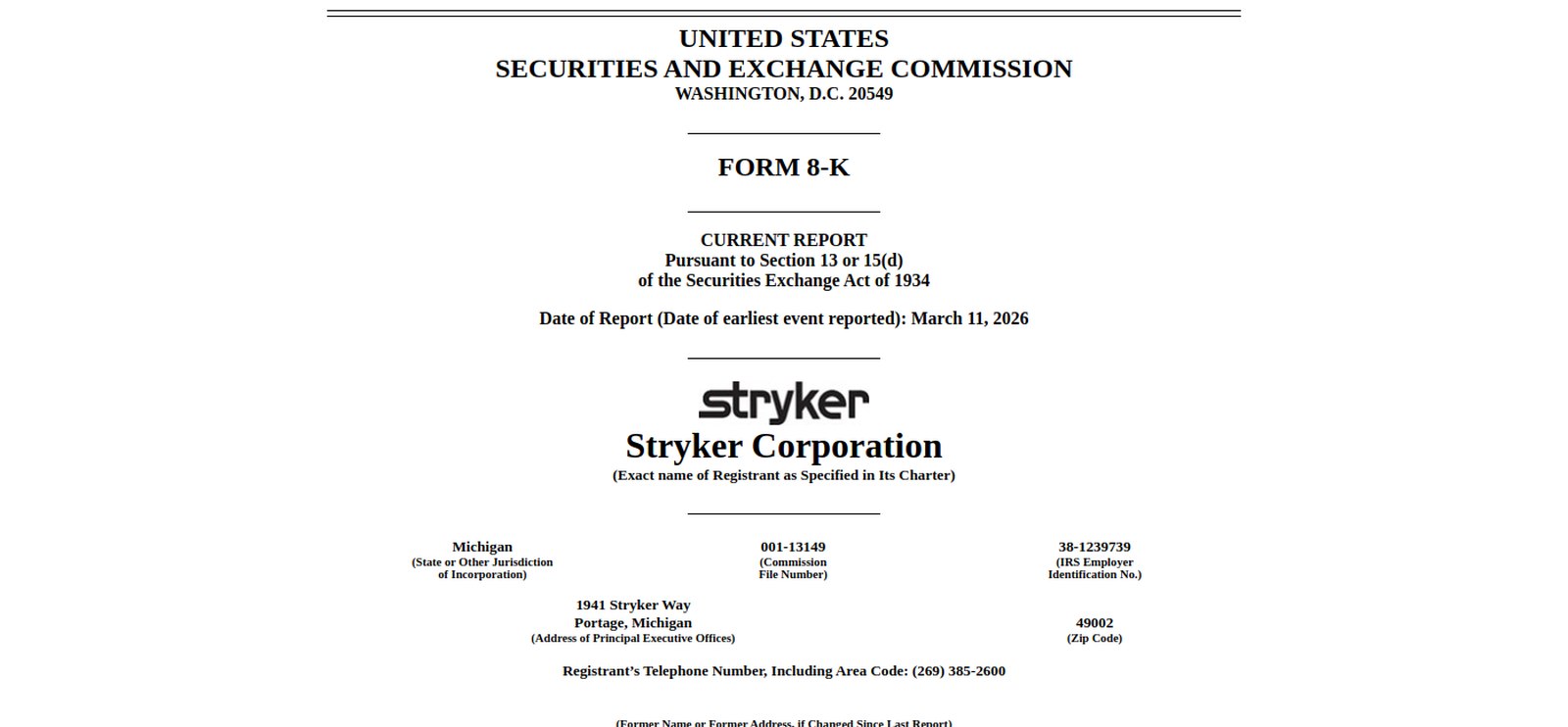
On September 22, Astrana Health filed a Form 8-K with the Securities and Exchange Commission disclosing what it called a material cybersecurity incident. There was no exotic exploit involved, no zero day, no clever piece of malware. Someone picked up the phone, and it worked.
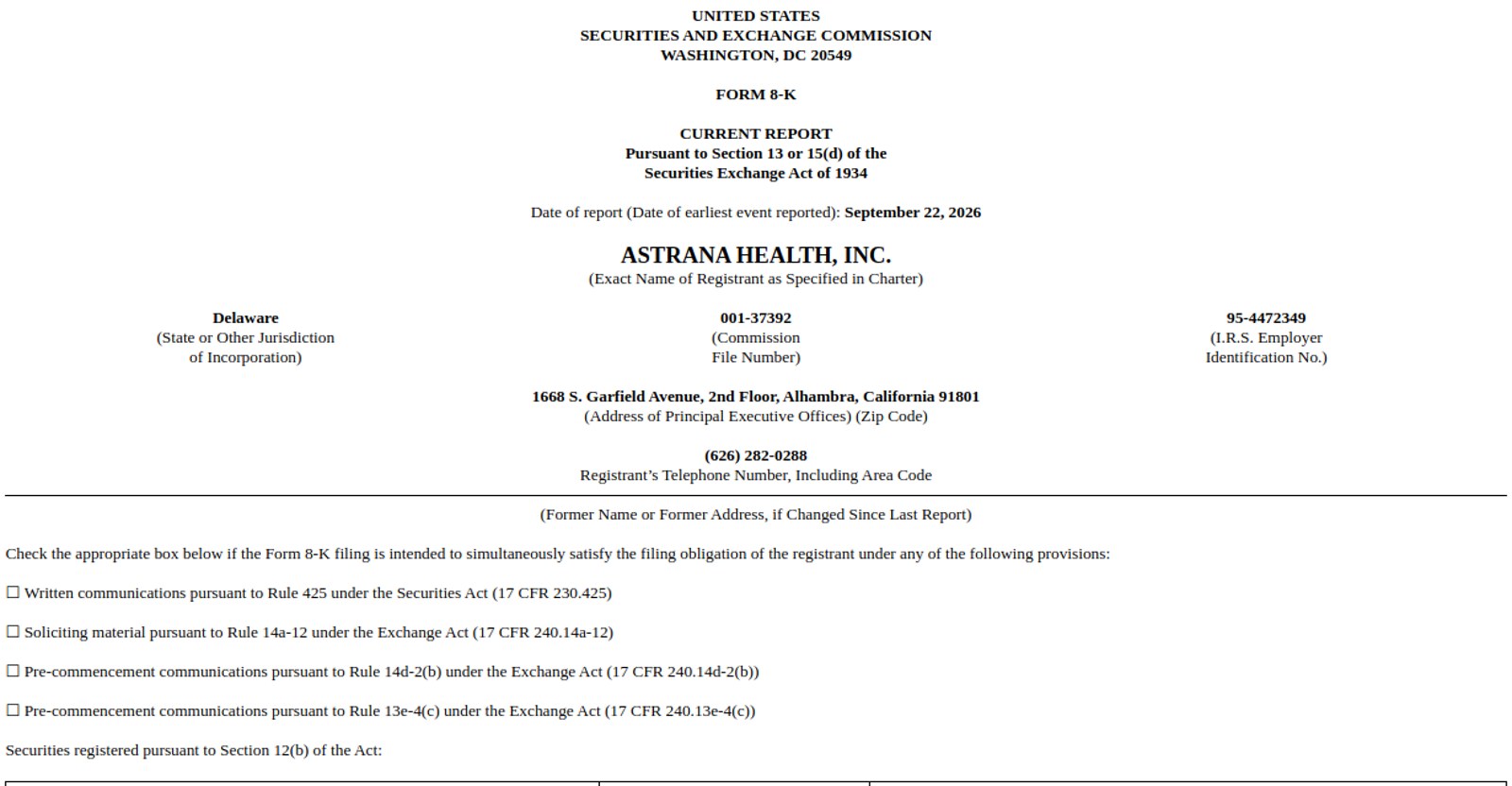
According to the filing, attackers contacted certain Astrana employees while impersonating company personnel, and to make the calls convincing, they spoofed the company's own main corporate telephone number so it would show up on caller ID as if the call were coming from inside Astrana itself. Using that fabricated trust, the attackers talked their way into gaining unauthorized access to company servers.
Astrana is a California based physician support and healthcare technology company, the kind of organization that sits behind the scenes connecting providers, patients, and the administrative machinery of American healthcare. That position is exactly what makes an incident like this worth paying attention to well outside the healthcare industry itself.
What Astrana Says Happened Next
The company's filing states it is still working to determine whether patient information, employee information, credentialed provider information, or confidential business and financial data were involved. Astrana restored certain systems from clean backups, rotated credentials, restricted remote access, and enhanced monitoring across its environment. It notified law enforcement along with state and federal regulators. As of the filing, no hacking group had claimed responsibility, and Astrana has not confirmed whether ransomware played a role.

The Part Every Business Should Actually Worry About
Spoofing a caller ID is not sophisticated. The tools to do it are cheap, widely available, and have been for years. What made this attack work was not technology at all, it was the fact that a phone number showing up correctly is still, for a lot of employees, treated as good enough proof that a call is legitimate. That assumption is exactly the gap attackers keep finding, again and again, across every industry.
This is the same basic playbook used by the ShinyHunters extortion group in the wave of help desk impersonation attacks that hit companies like Charter and Carnival Cruise Line earlier this year, and it is the same playbook likely to keep working until businesses change how employees are trained to verify identity over the phone. A caller ID, a confident tone, and knowledge of a few internal details are not proof of anything. They are exactly the ingredients an attacker needs to sound convincing.
Closing the Gap
Every business, healthcare or otherwise, should have a real, written procedure for verifying identity before granting access to systems over the phone, one that does not rely on caller ID or a caller simply sounding like they belong. That usually means a callback to a known number on file, a shared verification phrase, or routing any access request through a ticketing system rather than a live phone call at all. Employees who handle IT support requests, password resets, or remote access approvals need to be trained specifically on this scenario, since generic phishing awareness training rarely covers voice based social engineering in enough depth to matter.
At AetherGuard Technologies, we help businesses build exactly these kinds of verification procedures and train the staff who are the actual target of attacks like this one, because the technology behind a spoofed phone call is not the problem worth solving. The human process on the other end of the line is.