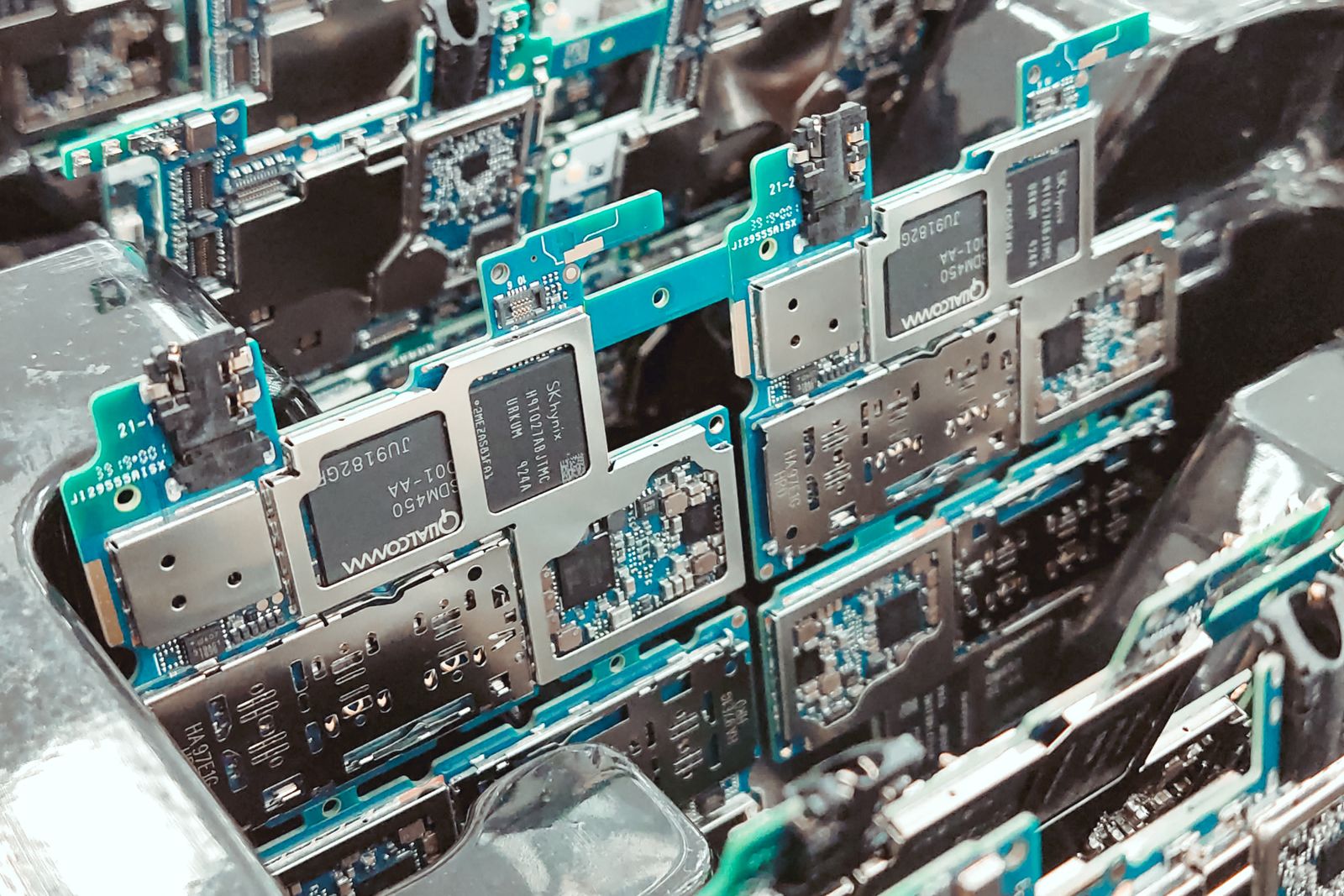
The Weekend Foxconn Went Quiet
Workers at Foxconn's Mount Pleasant, Wisconsin facility started noticing something wrong around May 1. Wi-Fi dropped. Computers got shut down without explanation. Employees were told to start tracking their hours on paper. Nobody outside the building knew why yet.
The rest of the world found out on May 12, when a ransomware group calling itself Nitrogen posted Foxconn to its dark web leak site. The claim: roughly 8 terabytes of data across more than 11 million files, including confidential instructions, project documentation, schematics, and technical drawings tied to some of the biggest names in tech. Apple, Intel, Google, Dell, Nvidia, and AMD were all named as customers whose data was allegedly caught up in the haul.
Foxconn, formally Hon Hai Technology Group and the largest contract electronics manufacturer on the planet, confirmed the attack the following day. The company said some of its North American factories were affected and that its security team had responded quickly. Facilities in Wisconsin and in Houston, Texas both saw disruption. According to the company, the affected plants have since resumed normal production.
Why a Contract Manufacturer Is Such a Valuable Target
Foxconn does not design the products it builds. It builds them for other companies, which means its servers hold something almost as sensitive as source code: the manufacturing instructions, technical drawings, and supplier documentation that turn a design into a physical product. For a ransomware group looking to maximize leverage, that is an appealing pile of data to sit on. It is not just Foxconn's problem if it leaks. It becomes Apple's problem, Nvidia's problem, and every other client's problem too, all without any of those companies being breached directly.
That is the defining feature of supply chain ransomware. The attacker does not need to get into Apple. They need to get into one of the thousands of vendors, manufacturers, and contractors that touch Apple's data somewhere in the product lifecycle, and a hub like Foxconn, where so many of those relationships converge, is about as high-value a single target as exists in the entire electronics industry.
Manufacturing's Ongoing Ransomware Problem
Manufacturing has been one of the most targeted industries for ransomware for several years running, and the reasons are not complicated. A factory cannot absorb downtime the way an office can. A halted assembly line burns money every minute it sits idle, and that alone hands ransomware operators real leverage even before a single file gets stolen. Layer on double extortion, where attackers steal data first and threaten to leak it regardless of whether the ransom gets paid, and manufacturers end up squeezed from two directions at once.
Aging operational technology makes the problem worse. A lot of manufacturing environments run industrial control systems and specialized equipment that cannot be patched on the same schedule as a laptop in the front office, and that gap between IT and OT security is exactly where attackers like to operate.
What This Means If You Supply, Buy From, or Partner With a Manufacturer
Whether your business is the size of Foxconn or a five-person shop supplying parts to a regional manufacturer, the lessons here are the same.
Segment your network so that manufacturing floor systems, corporate IT, and shared vendor access are not all sitting on the same flat network. If a factory-floor system gets hit, it should not be a straight line to the servers holding your client data.
Know what you are storing on behalf of others. If your business holds another company's schematics, source files, or proprietary documentation, that data carries someone else's risk on top of your own, and it deserves encryption at rest, tightly scoped access controls, and a retention policy so you are not holding onto more than you actually need.
Keep an offline, tested backup for anything that would stop production if it went down. The factories that recover fastest from a ransomware hit are the ones that can restore operational systems without ever having to negotiate with anyone.
Assess your vendors, not just yourself. If a critical supplier gets hit with ransomware, your business can feel the impact even if your own systems were never touched. A vendor risk assessment is not paperwork. It is how you find out in advance whether a partner's security posture could become your problem.
The Bigger Picture
The Foxconn breach is a reminder that ransomware groups have gotten smarter about where the leverage actually sits. Hitting one well-placed supplier can put pressure on half a dozen household-name companies at once, without ever touching their networks directly.
At AetherGuard Technologies, we work with manufacturers and the vendors around them to build the kind of network segmentation, backup strategy, and vendor risk process that keeps one compromised link from becoming everyone's problem.