An Online Post Nobody Wanted to See
CenterPoint Energy did not discover its own breach through an internal alert or a forensic sweep. It found out the way an uncomfortable number of companies do in 2026: someone else told the world first. In September, the Houston-based utility, which delivers electricity and natural gas to millions of customers across Texas, became aware that a threat actor had posted online claiming to possess a dataset of the company's customer information. That post is what set CenterPoint's incident response process in motion.
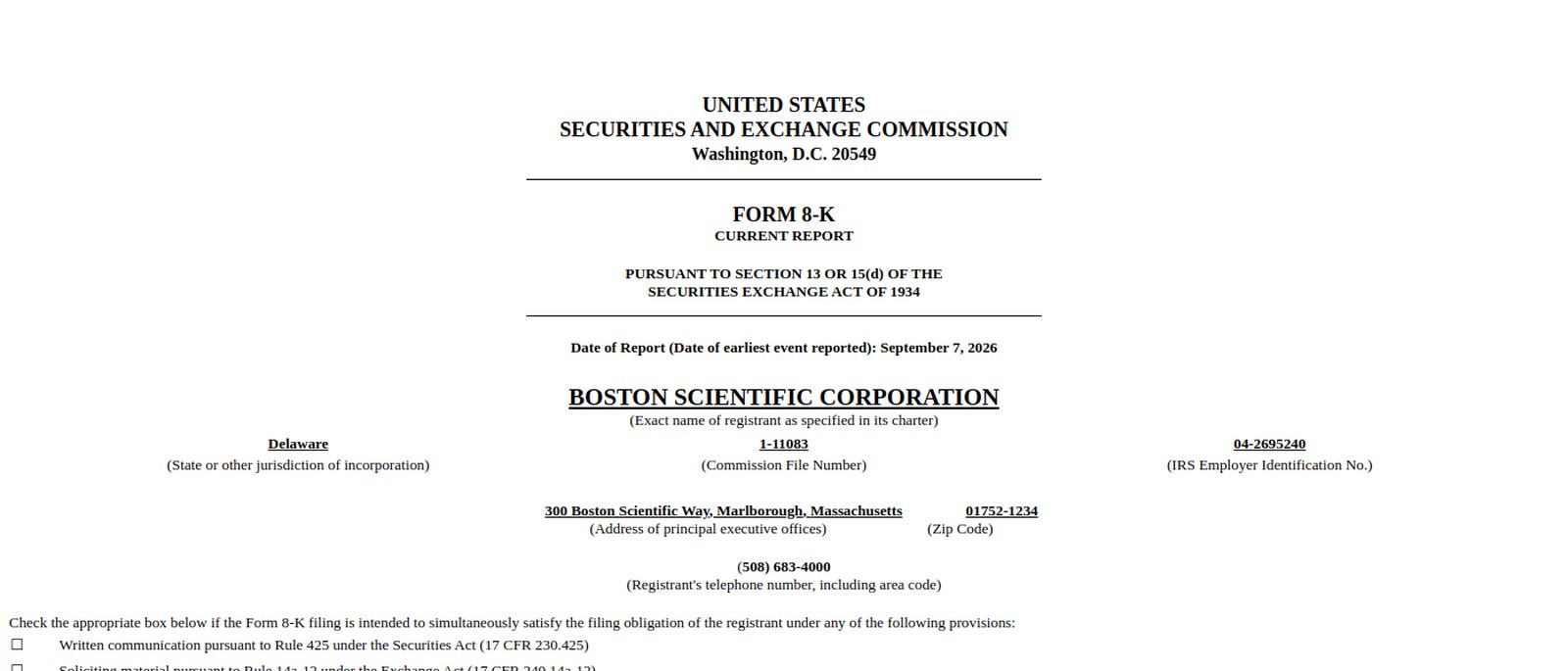
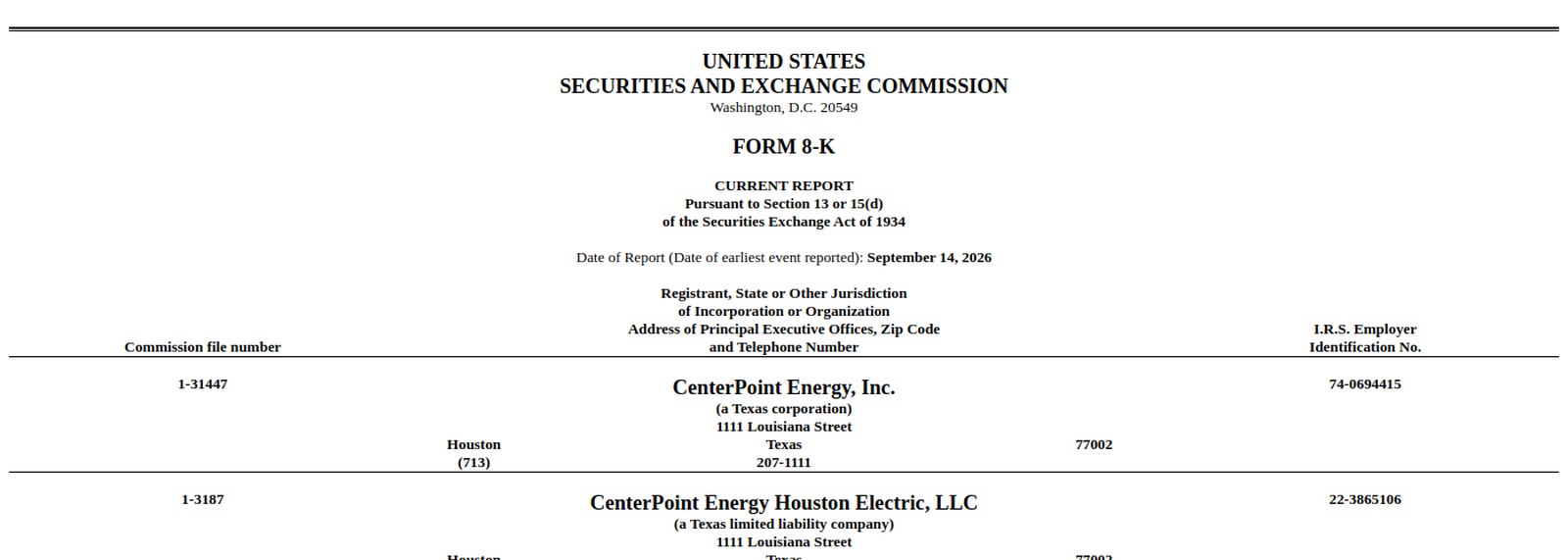
The company confirmed the breach in a Form 8-K filed with the Securities and Exchange Commission on September 14, 2026, stating that an unauthorized third party had obtained personal information belonging to a portion of its customers through one of CenterPoint's external-facing systems. Lawsuits filed shortly after allege the actual intrusion occurred over a roughly two-week window, between August 17 and September 1.
What Was Actually Taken
The attacker claimed to have pulled 7.49 million raw customer records, refined down to roughly 6.73 million after filtering. CenterPoint has not confirmed that exact figure or independently verified the authenticity of everything in the leaked dataset, which is itself a common and reasonable position for a company to take before its own forensic investigation is complete. What has been reported about the contents is nonetheless serious: customer names, phone numbers, email addresses, service and billing addresses, account and premise identifiers, billing amounts, payment status, autopay enrollment details, and the last four digits of customers' Social Security numbers.
Notice what is and is not on that list. Full Social Security numbers do not appear to be exposed, which limits some of the most severe identity theft risk. But the combination of full name, address, phone number, email, and account-level billing detail is more than enough to power convincing phishing and impersonation attempts, particularly ones that pose as CenterPoint itself. A scammer who already knows your account number, your billing amount, and whether you are enrolled in autopay does not need to guess at a pretext. They already have one, straight from your real utility bill.
How a Company Loses Nearly Seven Million Records
The mechanism here is one of the more instructive parts of this story, because it is almost mundane. According to reporting on the incident, the attacker exploited a public-facing API, an interface CenterPoint's own systems used to programmatically serve customer data, that lacked basic protections like rate limiting and a web application firewall. Without those guardrails, the attacker could cycle through customer account or premise ID numbers automatically, requesting record after record at machine speed, with nothing in place to notice or slow down a pattern that no legitimate human user would ever produce.
This is not a sophisticated zero-day exploit chain. It is closer to a company leaving a filing cabinet unlocked and then being surprised when someone methodically works through every drawer. APIs exist across nearly every modern company's infrastructure now, quietly connecting customer-facing apps, internal tools, and third-party integrations to the data behind them, and a huge share of them were built and shipped faster than the security controls around them matured. Rate limiting sounds like a minor technical detail until it is the one control standing between a single API endpoint and an attacker systematically draining millions of records overnight.
Why an Energy Utility Breach Is Its Own Category of Concern
CenterPoint was careful to state, and there is no reason to doubt this part, that the breach did not affect the delivery of electricity or gas service, which remained fully operational throughout. That distinction matters and is worth taking seriously. This was a data breach, not an operational technology intrusion that put the grid itself at risk.
Even so, breaches touching energy and utility companies carry a weight that a typical retail or SaaS breach does not. These are companies most customers cannot opt out of, cannot easily switch away from, and are required by practical necessity to trust with sensitive account information simply to keep the lights on. A utility customer did not choose CenterPoint the way they chose a streaming service or a retailer. They live in its service territory, and that is effectively the whole relationship. When a breach happens to a company you have no real alternative to, the usual advice to "take your business elsewhere" does not apply, which puts more of the burden on the company itself to get security right the first time, and on regulators and customers to hold it accountable when that does not happen.
The Legal Fallout Is Already Underway
Multiple proposed class action lawsuits had already been filed in federal court within days of CenterPoint's disclosure, representing customers who allege their personal information was compromised and that the company failed to adequately protect it. This has become close to a predictable rhythm for breaches of this scale: disclosure, class action filings within the same news cycle, and a long legal process that often runs for years after the technical incident itself is long resolved. Whatever the eventual outcome of that litigation, it underscores a point worth internalizing regardless of which side of a breach your organization ends up on: the cost of a breach rarely ends when the investigation does.
What This Means If You Are a CenterPoint Customer
If you receive electric or gas service from CenterPoint Energy, treat this as a reasonable trigger to tighten a few things, even before the company's own notification process reaches you individually. Watch your CenterPoint account and any linked payment methods for unfamiliar activity, particularly changes to autopay settings or billing information you did not make yourself.
Be skeptical of unexpected calls, texts, or emails claiming to be from CenterPoint, especially ones that reference your actual account number or billing amount to sound legitimate. That level of specific detail is no longer proof that a message is real. It may simply mean the sender has your leaked data in hand.
Since the last four digits of Social Security numbers were reportedly included, treat this as one more data point that could be combined with information from other breaches to piece together a fuller profile of your identity over time. Consider a credit freeze if you have not already placed one, which costs nothing and blocks new credit accounts from being opened in your name.
What This Means If You Run Public-Facing Infrastructure
For any organization operating APIs that serve customer or account data, and at this point that is most organizations, this incident is a direct, low-cost lesson in what happens when basic API security hygiene gets skipped. Rate limiting on any endpoint that returns individual customer records is not optional hardening. It is baseline. An API that will hand over record after record to the same source, as fast as that source can ask, with no friction and no alerting, is an API that is one attacker's afternoon away from becoming next year's breach notification.
Pair rate limiting with a web application firewall tuned to your actual API traffic patterns, and with monitoring that flags anomalous request volume in something closer to real time than "we found out when someone posted about it online." The gap between those two detection methods is, in practice, the entire difference between a contained incident and a multi-million-record breach.
At AetherGuard Technologies, API security assessments, including exactly the kind of rate limiting, access control, and anomaly detection gaps that led to this breach, are a core part of how we help businesses find these problems before an attacker does the finding for them.